
Real-world trials.
Measurable results.
Exploring better food waste solutions together
At The Good Sort, we believe practical solutions should be tested in real-world conditions.
Working alongside councils, communities and organics processors, we conduct trials and engagement programs to better understand how recycled paper kitchen caddy liners can support food waste diversion, improve household participation and reduce contamination.
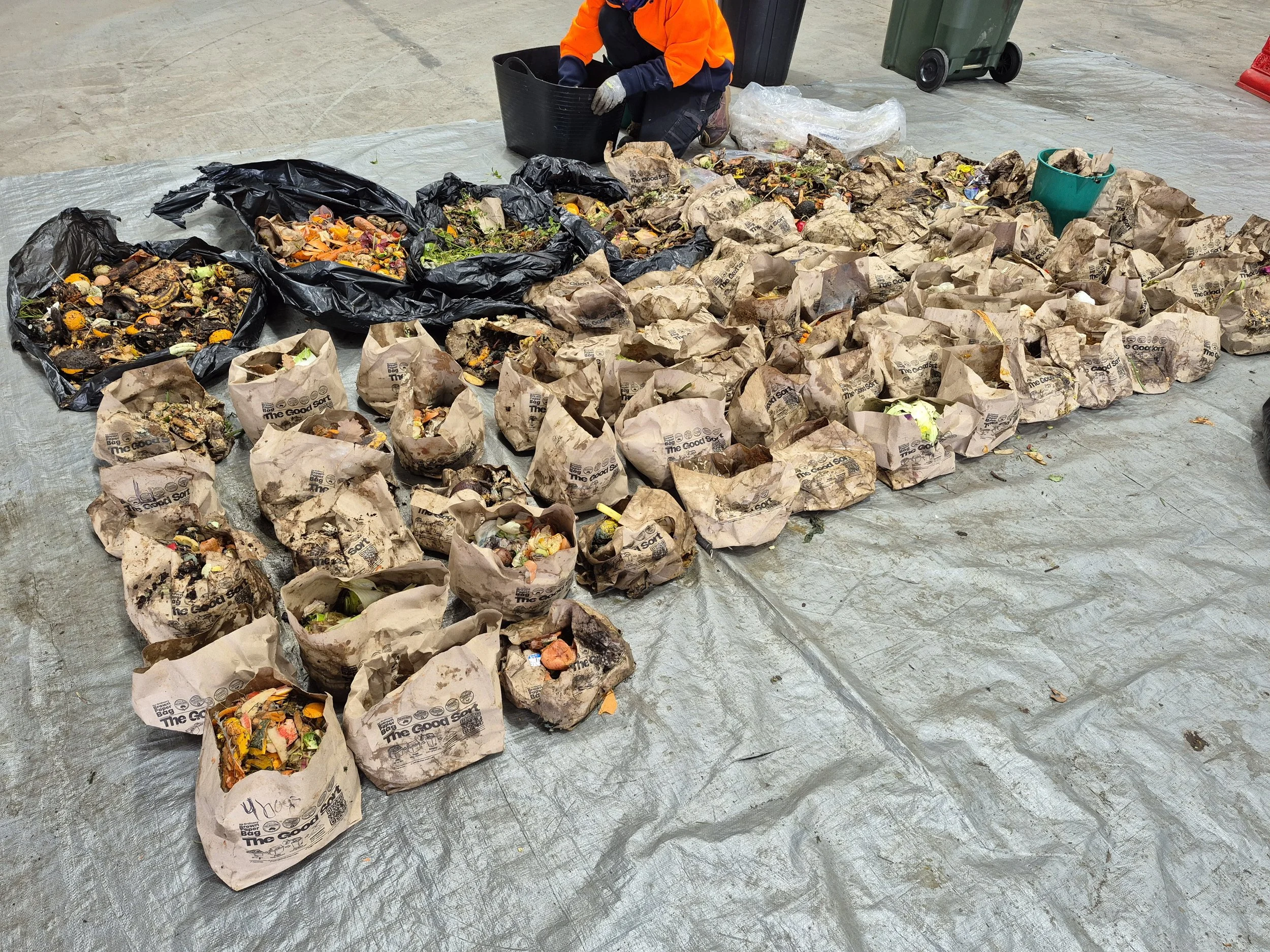
Through waste audits, resident engagement and collaboration with industry, we gather valuable insights to help inform future FOGO programs and initiatives.
darebin city council trial
In partnership with Darebin City Council, The Good Sort conducted a three-month trial involving 500 households as part of a real-world food waste behaviour and recovery study.
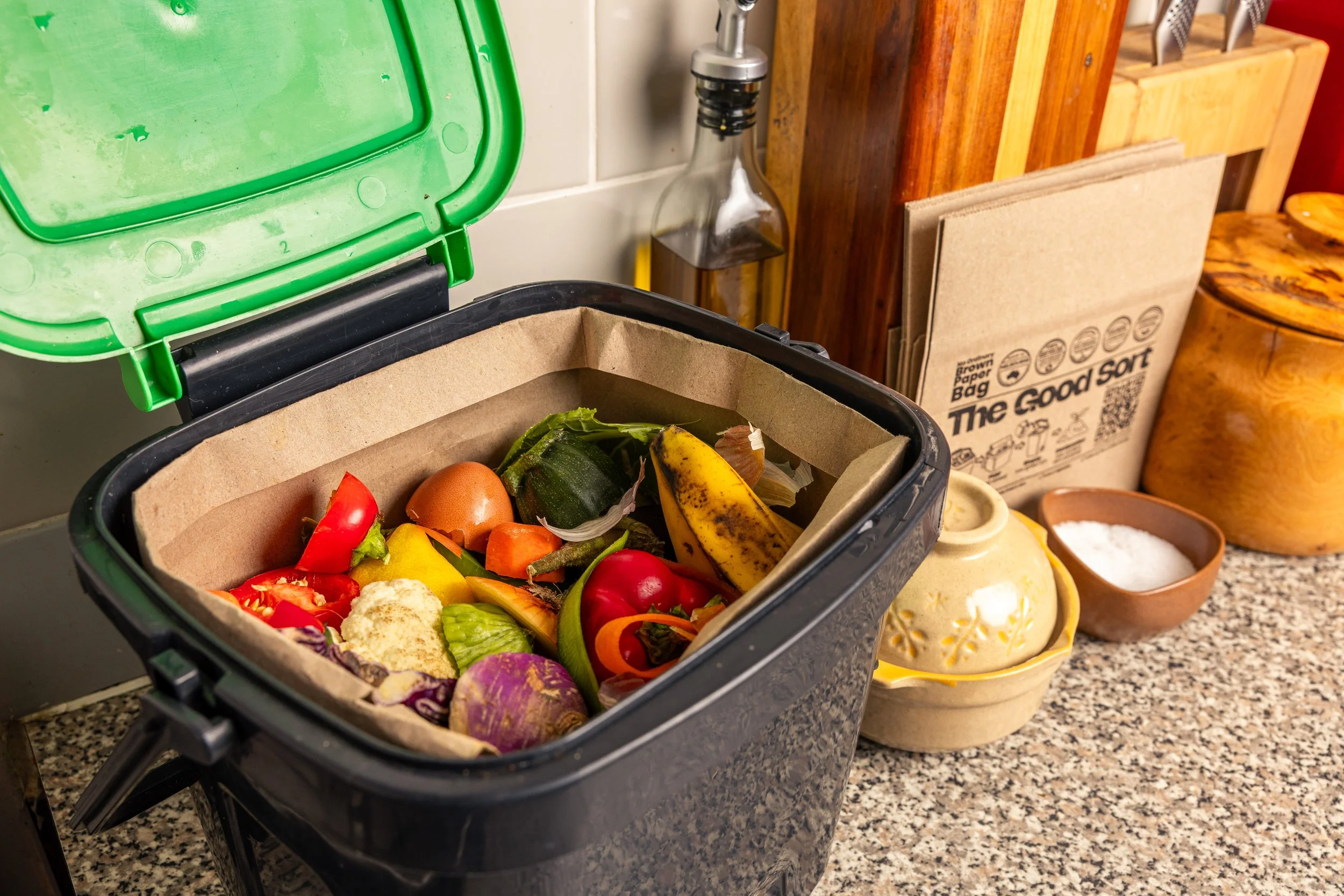
The trial explored how recycled paper kitchen caddy liners, combined with targeted household engagement and education, could improve FOGO participation and food waste diversion.
Through kerbside waste audits, resident engagement, surveys and collaboration with their organics processor, Veolia, the trial gathered valuable insights into household behaviour, the effectiveness of paper liners and their potential to support improved FOGO outcomes.
how the trial worked
The trial combined baseline and post-trial kerbside waste audits, paper liner distribution, household surveys, door-knocking and ongoing resident engagement.
The results provide valuable insights into the role that practical food waste collection solutions and education can play in improving FOGO outcomes.
Step 1: Baseline audit
Out of the 500 selected households, a random sample of 125 households had their general waste and FOGO bins audited to understand the baseline food waste sorting habits.Step 2: Trial pack delivery
500 households received a trial pack of The Good Sort liners, along with information on how to use them. The pack is designed to last around 3 months. Before starting the trial, residents also had the opportunity to complete a short survey about their current food waste and kitchen caddy habits.Step 3: Resident feedback
Around 4–6 weeks after delivery, we returned to gather feedback through a second door-knocking, hear about residents’ experiences, and answer any questions.Step 4: Final audit
Around 10 weeks after the first audit, a second kerbside audit of the general waste and FOGO bins for 125 households were audited to see whether food waste diversion has improved, and if contamination has changed.
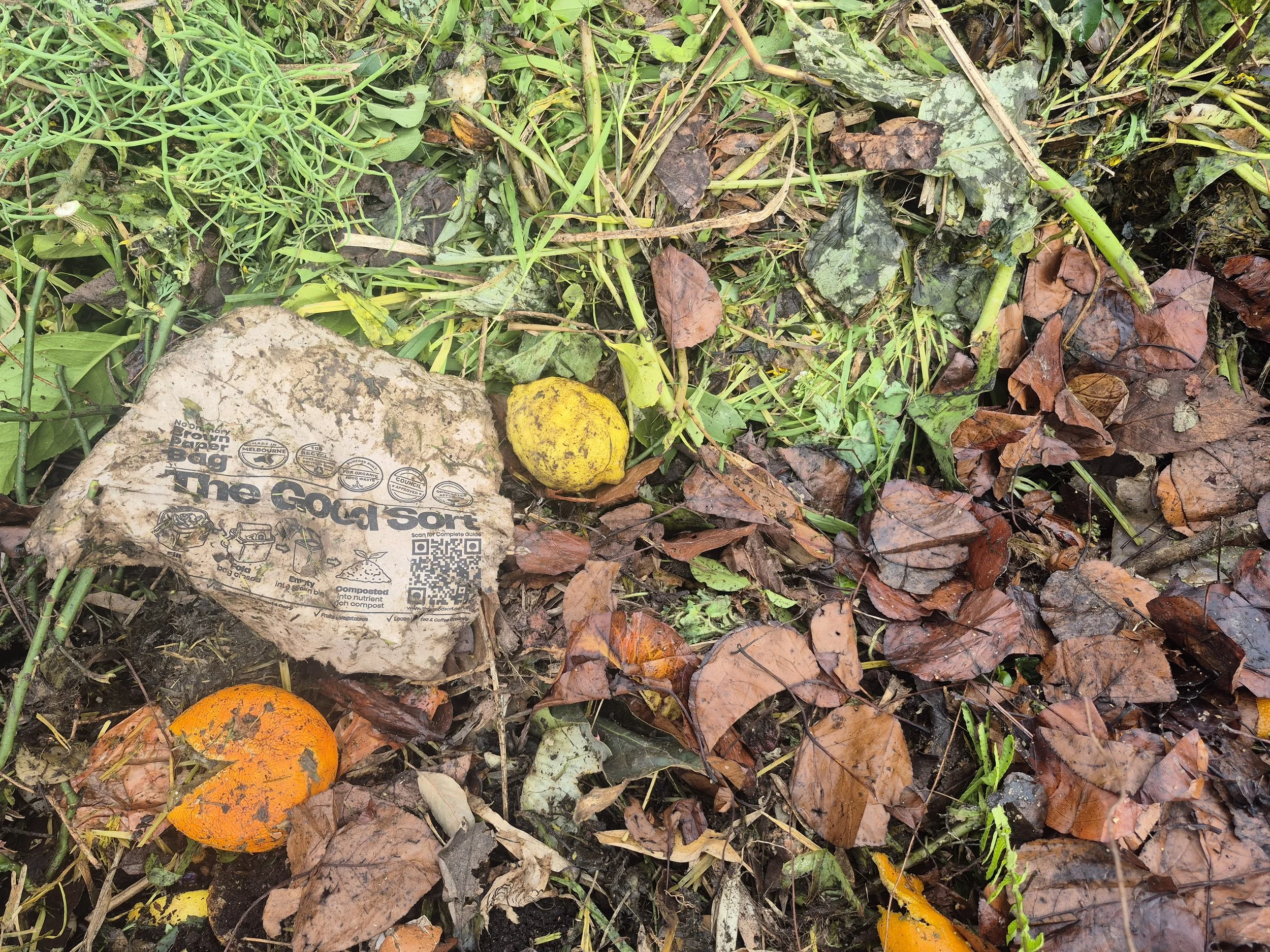
Veolia, Darebin’s composter, also assessed incoming material containing the liners from the trial areas to understand how the liners break down in the composting process.

19% → 48%
Food waste diversion
58% → 22%
Households diverting
no food waste
42% → 78%
Household participation
5% → 18%
Households diverting
all their food waste
DOWNLOAD THE TRIAL SUMMARY REPORT
Building on what we've learned
Following the encouraging results from the Darebin trial, we're continuing to collaborate with councils and industry partners on further trials, education initiatives and household engagement programs.
As these projects progress, we'll share findings and learnings here.
Why this trial matters
Food waste continues to make up around 40% of what is placed in household landfill bins, despite many homes already having access to a food organics and garden organics (FOGO) service. When food waste is sent to landfill instead of composting, valuable organic material is lost and unnecessary greenhouse gas emissions are created. Sending food waste to landfill also costs up to three times more than processing it through the food and garden organics (lime-green lid) bin system.
Through community engagement and trials, many residents express that using kitchen caddies can sometimes feel messy, inconvenient, or difficult without an effective liner solution. As compostable and biodegradable plastic liners are not accepted in Darebin’s FOGO system, this trial is exploring whether recycled paper liners could provide a practical alternative for residents.
By trialling The Good Sort liners across 500 Darebin households, the aim is to better understand resident experiences, food waste sorting behaviours, and how the bags perform within real-world composting systems.
The information gathered from the trial will help determine future options for supporting residents to recycle food waste more easily.

Interested in exploring a trial or improving FOGO outcomes?
Whether your council is exploring FOGO implementation, looking to increase participation and food waste diversion, or addressing contamination challenges, we'd love to discuss how we can support you.
Through The Good Sort and Sustainable Solutions Now, we offer flexible support ranging from small-scale trials and household engagement to waste audits, education campaigns and larger-scale rollouts.